Key takeaway:
- Bryan Johnson revealed he was diagnosed with autoimmune gastritis in May and plans to pursue experimental treatment despite no approved cure.
- Autoimmune gastritis causes the immune system to attack the stomach lining and may lead to digestive symptoms and vitamin B-12 deficiency.
- Current treatment focuses on symptom management and preventing complications while researchers continue studying new therapies.
Biohacker Bryan Johnson said he was diagnosed with autoimmune gastritis in May and disclosed the condition publicly on June 30, pledging to pursue potential treatments despite no approved cure currently existing.
Bryan Johnson shares diagnosis and treatment goal
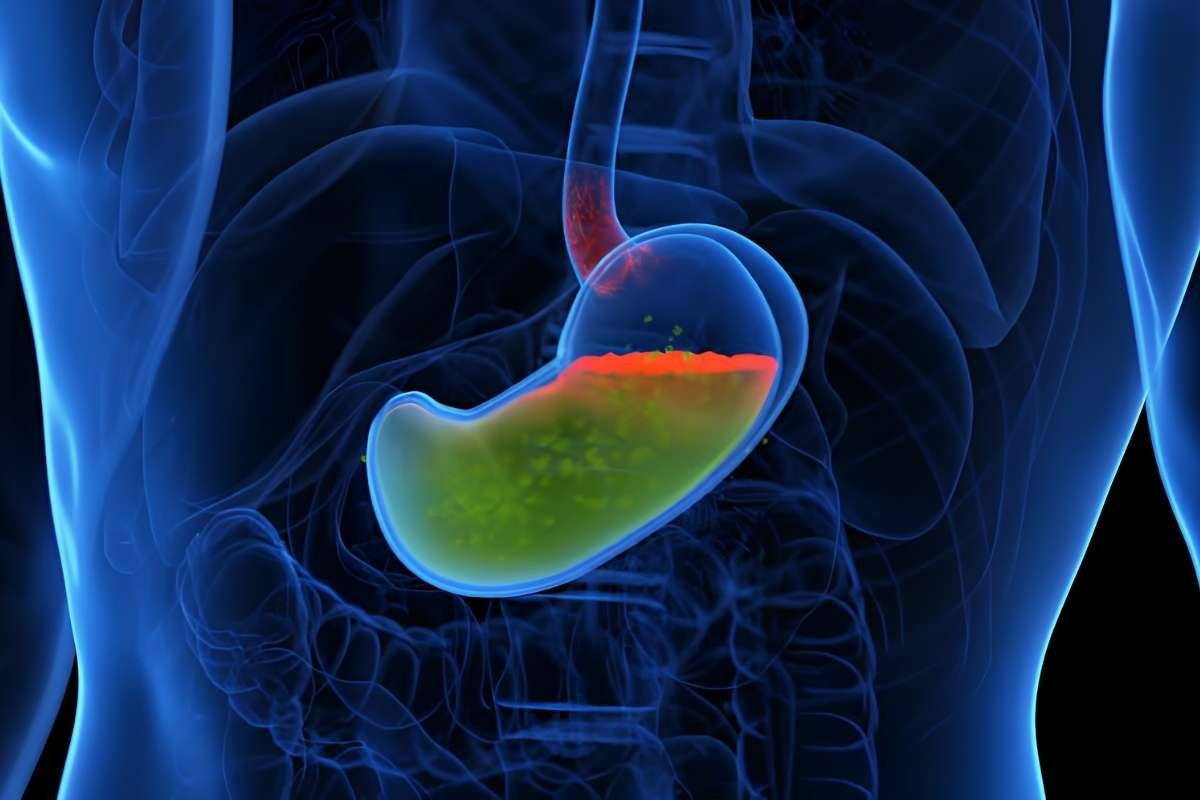
Former technology executive and biohacker Bryan Johnson said he has autoimmune gastritis, a chronic autoimmune condition in which the immune system attacks the stomach lining.
Johnson disclosed the diagnosis in a social media post published June 30, saying he learned of the condition in May but does not know how long he has had it. He described the illness as his stomach “eating itself” and said he intends to search for a cure despite current medical limitations.
“No condition should be presumed incurable simply because no one has yet tried to cure it,” Johnson wrote.
Johnson has gained a large online following for documenting his efforts to slow biological aging through strict health routines, extensive medical monitoring, and experimental wellness practices. He has said he spends about $2 million annually on those efforts, although some medical experts have questioned the scientific basis for several of his methods.
Experts describe autoimmune gastritis and its symptoms
According to the Mayo Clinic, autoimmune gastritis is a form of gastritis in which the immune system attacks cells that make up the stomach lining. The damage can weaken the stomach’s protective barrier and interfere with normal digestive function.
The condition does not always produce symptoms. When symptoms occur, they may include a feeling of fullness after eating, indigestion, nausea, vomiting, and pain or a burning sensation in the upper abdomen, the Mayo Clinic said.
The exact cause remains unknown. The Global Autoimmune Institute said genetics, aging, and changes in the gut microbiome may contribute to the disease. The condition is also more common in people with other autoimmune disorders, including Hashimoto’s disease and Type 1 diabetes.
Johnson said he has a history of autoimmune thyroid disease, which may increase the likelihood of developing additional autoimmune conditions.
Current care focuses on managing the disease
Medical organizations say there is no approved cure for autoimmune gastritis. Instead, treatment aims to manage symptoms, address complications such as vitamin B-12 deficiency or anemia, and support long-term digestive health.
“Medicine treats it as something to manage, not solve,” Johnson wrote. He added that his team plans to investigate experimental approaches in an effort to develop potential treatments.
The Global Autoimmune Institute said researchers are studying therapies that could reduce stomach inflammation, slow disease progression, and help prevent further damage to the stomach lining. However, those treatments remain under investigation and are not yet established as standard care.
Johnson’s announcement has renewed public attention on autoimmune gastritis, a relatively uncommon condition that often progresses gradually and may go undiagnosed until nutritional deficiencies or other complications develop.
Health experts encourage people experiencing persistent digestive symptoms or unexplained vitamin deficiencies to seek medical evaluation, noting that early diagnosis can help manage the condition and reduce the risk of long-term complications.
Visit Healthcare 360 Magazine For The Most Recent Information.